Sell Your House Fast in Hopkins, MN Without Preparing It for the Market
Getting a house ready for a traditional listing can mean repairs, cleaning, photography, showings, inspections, negotiations, and waiting for a financed buyer to reach closing. A direct cash sale removes many of those steps. You can show us the Hopkins property in its current condition and find out what we can pay before deciding whether repairs or listing preparation are worth doing.
At Minnesota Home Guys, we buy houses directly throughout Hopkins and the surrounding Twin Cities area. As cash home buyers, we can evaluate the property without requiring it to be updated, staged, or empty first. Deferred maintenance, unfinished renovations, unwanted belongings, tenants, estate-related ownership, vacancy, and other complications can all be discussed before you decide how to sell.
The right selling method depends on the house and what you want from the transaction. An updated home with plenty of time to market may be well suited for an agent-assisted sale. A house that needs substantial work or has a complicated ownership, occupancy, or timing situation may be easier to sell directly. Comparing both options gives you a better picture of the likely proceeds, work required, and time involved.
What Selling a House in Hopkins Can Look Like
Hopkins is compact, but the housing stock varies across the city. Traditional residential blocks, lower-density areas, larger-lot properties, townhomes, duplexes, and other attached housing can all require different comparable sales and different assumptions about future repairs or improvements. Two homes in Hopkins may have very different values even when they are only a short distance apart.
Older ownership histories can also mean gradual updates instead of one recent renovation. Kitchens and bathrooms may be dated while the roof or mechanical systems are newer, or the reverse may be true. Some properties have been maintained consistently but still need cosmetic work. Others may need a larger renovation before they would compete well with updated retail listings.
Condition is only one part of the decision. A rental property with tenants, a vacant house with ongoing carrying costs, or an inherited home that still contains years of belongings can require more coordination than an owner-occupied property that is already move-in ready. The sale method should match the actual situation instead of forcing every Hopkins homeowner through the same process.
We use the property itself as the starting point. That means looking at the address, property type, condition, recent comparable sales, current market activity, and the work we expect to complete after purchase. Those factors give us the information needed to determine a cash offer for the specific house rather than applying one citywide formula.
Current Hopkins Requirements and Move-Out Details
Truth-in-Housing Evaluations Are No Longer Required
Hopkins no longer requires a municipal Truth-in-Housing evaluation before a home can be sold. The city repealed that requirement effective January 14, 2021. Older articles, checklists, or saved paperwork may still mention the former inspection program, so it is worth making sure the information you are using reflects the current rule.
The repeal only addresses the former city Truth-in-Housing requirement. A normal real estate transfer can still involve title review, contracts, mortgages, liens, taxes, ownership documentation, and disclosures that apply to the property. Homes built before 1978 may also be subject to federal lead-based paint disclosure requirements.
Plan for the Final Water Reading and Homestead Notice
Before moving out, Hopkins property owners should arrange a final water meter reading so charges for city water, garbage, and recycling services can be finalized through the move-out date. This is separate from the purchase agreement and closing documents, but it is an easy task to overlook while packing and coordinating the sale.
Owners who sell homesteaded property or change their primary residence also need to notify the City Assessor within 30 days. Questions about taxes, homestead status, legal disclosures, estate authority, divorce-related ownership, trusts, or other property-specific obligations should be directed to the appropriate government office, attorney, tax professional, or title professional.
We Buy Houses in Hopkins As-Is
Selling as-is lets you ask for an offer without first deciding which repairs to complete. We account for the current condition of the property when evaluating what we can pay. That can be especially useful when the repair list is large, the house needs a full cleanout, or ownership and occupancy issues already require your attention.
Repairs and Deferred Maintenance
Major repairs do not have to be completed before we evaluate a Hopkins house. Roof issues, aging mechanical systems, outdated kitchens, worn flooring, damaged finishes, exterior maintenance, water-related repairs, and unfinished projects can all be considered as part of the property’s current condition.
Before spending money on contractors, you can compare the cost and time of making those improvements with an as-is cash offer. That comparison can help determine whether completing the work is likely to improve your net result enough to justify it.
Rental and Vacant Properties
We buy rental homes, including properties with tenants still in place, as well as vacant houses. Existing leases, deposits, occupancy, deferred maintenance, and property access are important details to discuss early because they can affect how the transaction should be coordinated.
Selling a rental does not automatically end the rights or obligations connected with a tenancy. A Minnesota attorney should answer legal questions about notices, lease terms, deposits, or disputes while we handle the purchase side of the transaction.
Inherited and Probate Homes
Inherited property can involve more than deciding on a sale price. Family members may need to sort belongings, determine who has authority to sell, address an open estate, resolve title questions, or decide whether repairs should be made before the property is sold.
Before renovation or cleanout begins, we can evaluate the house in its current condition. If probate or estate administration is still in progress, review our information about selling an inherited home and confirm legal authority with the attorney or professional handling the estate.
Property type does not have to be limited to a standard detached house. We also consider townhomes, duplexes, multi-family properties, and vacant land. Share the address and basic property details so we can determine whether it fits what we buy.
Common Reasons to Sell a House Directly in Hopkins
A direct cash sale can be useful for more than houses that need repairs. Timing, ownership, occupancy, and legal issues can change what a seller needs from the transaction. The sections below cover situations that often require more coordination than a standard owner-occupied sale.
Trying to Stop Foreclosure Before a Scheduled Sale
Falling behind on mortgage payments creates a different timeline than an ordinary home sale. If you are trying to stop foreclosure, contact your mortgage servicer as early as possible to confirm the loan status, available relief options, payoff amount, and any scheduled sheriff’s sale date. Waiting until the final days can limit the time available to complete a sale.
A direct purchase may be one option when selling the property is financially workable and there is enough time to close before a foreclosure sale. We can evaluate the Hopkins house without requiring repairs or listing preparation while you confirm the foreclosure timeline with your servicer, attorney, or housing professional.
Selling is not the only foreclosure option, and we do not provide foreclosure or legal advice. If you are comparing a sale with reinstatement, modification, postponement, or another lender-approved option, our article about how homeowners can stop foreclosure in Minnesota provides additional background.
Selling a Probate or Inherited Home
Families who need to sell a probate home may be dealing with estate paperwork, multiple beneficiaries, title questions, personal property, deferred maintenance, and uncertainty about who has authority to sign. Those details should be identified before a closing date is treated as final.
An inherited house can also create expenses even when probate is not the main issue. Property taxes, insurance, utilities, lawn care, snow removal, repairs, and cleanout work may continue while the family decides whether to keep or sell the property. We can evaluate the house before repairs or a complete cleanout.
If you need to sell an inherited home, bring any estate or ownership documents you already have to the professionals handling title. When a probate case is involved, an attorney or court resource should answer questions about the personal representative’s authority and any approvals required for the estate.
Selling a Rental Home or Tenant-Occupied Property
A landlord may decide to sell a rental home because of recurring repairs, vacancy, late rent, an upcoming capital expense, or simply because the property no longer fits the owner’s plans. We buy houses with tenants in place as well as vacant rentals, so occupancy can be discussed before any decision is made about the sale.
Owners preparing to sell a rental property should gather the lease, deposit information, rent records, and any notices or agreements that affect occupancy. Those records help clarify what needs to be coordinated before closing and what should be reviewed by the appropriate legal or property-management professional.
Our Minnesota rental-property article explains more about selling a rental home with tenants. We handle the purchase side of the transaction, while legal questions about leases, notices, deposits, or tenant rights should be directed to a Minnesota attorney.
Selling a House During Divorce or Separation
Real estate can be one of the largest assets addressed during a divorce. A homeowner who needs to sell a house during divorce should first understand who owns the property, whether both spouses must sign, and whether a court order or settlement affects the timing or distribution of sale proceeds.
Our cash offer can provide a number for both parties and their attorneys to evaluate without first completing repairs, staging the house, or scheduling public showings. We can explain our offer and purchase terms, but we do not decide how the property or proceeds should be divided between spouses.
Minnesota court guidance strongly encourages people with real estate interests to speak with an attorney before signing divorce paperwork related to the property. Once the people with legal authority are able to sell, we can coordinate the purchase with the title professionals handling the transfer.
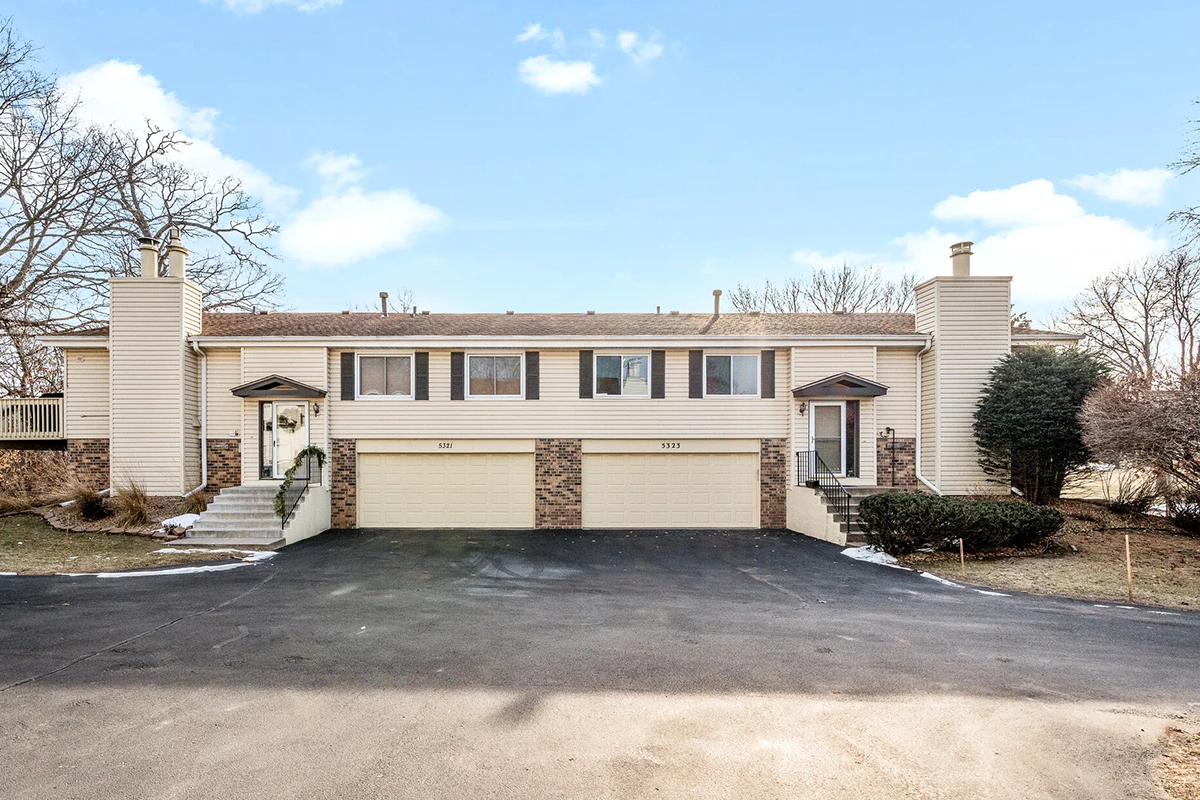
A Recent Home We Purchased on Beachside Drive in Hopkins
One Hopkins property we purchased was a house on Beachside Drive that later received a full remodel. The sellers chose to sell before taking on the repair and preparation work that would have been needed to present the property as a finished retail listing.
After we purchased the house in its existing condition, the renovation became our responsibility. The previous owners did not need to hire contractors for our benefit, coordinate the remodeling schedule, or finish the improvements before the sale could take place. They were able to separate the sale of the property from the work required to renovate it.
This project is useful because it shows what an as-is purchase can mean in practice. A Hopkins house does not need to resemble a completed renovation before we consider buying it. The condition simply becomes part of our evaluation and the amount we can offer.
Owners facing a similar repair list can use the same approach even when the circumstances are different. The first step is to find out what the house is worth to us in its present condition, then compare that number with the expected cost and possible return of repairing it before a conventional sale.
Should You List Your Hopkins Home or Sell Directly for Cash?
Price, timing, condition, and the amount of work you want to take on should all be part of the comparison. A traditional listing can provide exposure to retail buyers, while a direct sale can remove repairs, open houses, buyer financing, and other steps. Neither option should be judged only by the advertised sale price.
When a Traditional Listing May Make More Sense
A clean, updated house may benefit from being placed on the open market, especially when the owner has enough time for photography, showings, inspections, negotiations, appraisal, and a financed buyer’s closing process. Retail buyers may also compete for a property that is well positioned for the market.
Listing usually involves more seller participation. The property may need repairs or presentation work, appointments need to be accommodated, and an accepted contract can still depend on inspection findings, appraisal, financing, or other buyer-dependent conditions. A local real estate agent can help estimate the likely retail price and the costs associated with pursuing it.
A house that is already listed can still be submitted to us for a cash offer. Any existing listing agreement, purchase contract, or other obligation should be reviewed with the agent or professional involved before a separate sale is pursued.
When a Direct Cash Sale May Make More Sense
Repairs, a full cleanout, tenant occupancy, estate administration, vacancy, relocation, or a tighter schedule can make a direct sale more practical. We buy the property ourselves instead of listing it on the MLS and waiting for another buyer to qualify for financing.
Repairs, staging, and cleaning are not required for our direct purchase. There are no agent commissions on our direct purchase, and we cover the abstract update, title opinion, transfer tax, and closing costs. Property taxes through the date of sale and existing liens remain the seller’s responsibility.
The cash offer may be lower than a possible retail sale price because we account for property condition, repairs, and our costs after purchase. The useful comparison is what you are likely to receive after expenses and how much time, money, and coordination each route requires from you.
How We Determine a Cash Offer for a Hopkins Property
Every offer begins with the individual property. We consider the home’s condition, recent comparable sales, current market activity, and repairs or renovation work that may be needed after purchase. A detached house, townhome, duplex, and heavily updated property will not necessarily be evaluated the same way even when all are located in Hopkins.
Repair scope can materially change the numbers. Cosmetic painting and flooring are different from roof replacement, foundation work, extensive water damage, major mechanical updates, or a full interior renovation. Letting us see the house as it actually sits gives us a better basis for estimating the work and presenting an offer.
Unwanted belongings can remain in the property. Furniture, old appliances, trash, and other items you do not plan to move do not have to be hauled away simply so we can buy the house. This can reduce the amount of sorting and disposal required for an inherited home, a long-time residence, a rental, or a property that has been vacant.
Once you have our number, compare it with a realistic estimate of a traditional sale. Include expected repairs, agent commissions, seller-paid costs, mortgage payments, taxes, insurance, utilities, maintenance, and the time you may continue carrying the property while it is marketed. You can also review our frequently asked questions when you need details about fees, eligible property types, or title work.
What You Do and Do Not Need to Finish Before Selling to Us
Repairs are optional when you sell directly to us. You can leave unfinished flooring, dated cabinets, damaged drywall, old fixtures, exterior maintenance, and other known problems in place. Tell us what you know about the condition so we can account for it during the property review.
Cleaning is also different from a retail listing. There is no need to deep-clean rooms for photographs, keep the house staged for showings, or empty every closet before we visit. Take the belongings you want to keep and let us know what you expect to leave behind.
Paperwork still matters even when the physical property is sold as-is. Existing mortgages, liens, judgments, estate documents, divorce decrees affecting ownership, trusts, and other title-related records may need to be reviewed before closing. Providing documents you already have can help the title process get started with fewer unanswered questions.
The goal is not to make the property perfect before contacting us. It is to give us enough accurate information to evaluate the house, identify issues that may affect title or closing, and determine whether our direct purchase works for both sides.
How Our Hopkins Home-Buying Process Works
You can begin without committing to a sale. Our home-buying process starts with property information, moves to our evaluation and offer, and proceeds to title and closing only if you choose to accept.
Tell Us About the Property
Share the address, condition, occupancy, and any title or timing issues you already know about. You can call (952) 222-7138 or submit the property through our online form.
Photos or additional details can be useful, but you do not need to repair or clean the house before starting the conversation.
Review the Property and Offer
We evaluate the house using its condition, comparable sales, market activity, and expected repairs. A walkthrough or conversation may be needed so we can understand the property before finalizing the offer.
After receiving the offer, you can compare it with listing, repairing, keeping the property, or any other option available to you. There is no obligation to accept it.
Complete Title Work and Closing
After an accepted offer, we coordinate the purchase with the title professionals handling the transaction. The abstract update, title opinion, ownership record, liens, taxes, and other matters affecting transfer are addressed before closing.
When the property and title work are ready, we can close in as little as seven days. Many transactions take closer to two to four weeks after the offer is signed, and a later closing can also be arranged when you need more time.
Title Issues Can Affect a Cash Closing in Hopkins
Paying cash removes mortgage approval from our side of the purchase, but it does not eliminate title work. After an offer is signed, the abstract and ownership history still need to be reviewed so the property can transfer correctly. A clean title can support a shorter schedule, while unresolved issues may require additional documentation before closing.
Common complications can include old mortgages that were never properly released, judgments, unpaid property taxes, contractor liens, estate ownership, divorce-related ownership, or errors in the recorded ownership history. Some issues can be resolved through routine title work. Others may require assistance from a lender, court, attorney, estate representative, former owner, or another party.
Existing liens do not always mean a sale is impossible. What matters is whether the lien can be identified, confirmed, and resolved as part of the transaction. If you already know about a mortgage payoff problem, judgment, tax issue, estate matter, or other title concern, tell us early so it can be considered when planning the closing.
We handle our responsibilities as the buyer and coordinate with the title company, but legal, tax, court, and accounting questions remain with the appropriate professionals. A cash purchase can simplify the buyer-financing side of the transaction without changing who is qualified to give legal or tax advice.
Request a Cash Offer for Your Hopkins Home
There is no need to choose between listing and selling directly before contacting us. Start by telling Minnesota Home Guys about the house, its condition, occupancy, and anything you already know about repairs or title. We can evaluate the property and provide a cash offer for you to compare with your other options.
A repair-heavy property can stay as-is during our review. An occupied rental can be discussed with the tenancy still in place. An inherited house does not need to be emptied before you ask what we would pay. The important part is giving us accurate information about the property so the offer reflects the situation we are actually buying.
Call (952) 222-7138 or use the online form to start the property review.
Frequently Asked Questions
Yes. Major repairs do not have to be completed before we buy a house in Hopkins. We can evaluate a property with an aging roof, outdated mechanical systems, water-related damage, worn interiors, unfinished renovation work, or a combination of cosmetic and structural repairs.
Repair needs are included in the offer calculation because we may need to complete that work after purchase. You can request our number before hiring contractors, then compare the offer with the estimated cost and possible return of repairing the property for a traditional sale.
An as-is sale can be useful when you need to sell your house fast but do not want the timeline or expense of managing a renovation first. You can compare the cash offer with your other options before deciding which route makes sense for the property.
Yes. We buy rental properties with tenants still in place, so a landlord can ask for an offer without first waiting for the property to become vacant. Tell us about the lease, deposit, rent status, property condition, and any upcoming renewal or move-out dates you already know.
Preparing to sell a rental property requires more than evaluating the building itself. Existing lease terms, notices, deposits, and tenant rights may continue to matter during a transfer of ownership, which is why accurate occupancy information should be shared early.
We can handle the purchase side of a tenant-occupied sale, but a Minnesota attorney should answer legal questions about the lease, notices, deposits, eviction, or other landlord-tenant matters. This keeps our role as the buyer separate from legal advice.
Yes, provided the person signing the sale documents has the legal authority required to transfer the property. Families who need to sell a probate home may be able to request our offer before repairs or a complete cleanout are finished, which can make it easier to compare a direct sale with listing the property.
Probate, multiple heirs, a trust, or incomplete estate administration can affect who is allowed to sell and what documents the title company needs. If you need to sell an inherited home, gather the ownership and estate records you already have so the appropriate professionals can identify any issues before closing.
We coordinate our purchase with the title company and estate professionals involved, but we do not determine who has legal authority to act for an estate. An estate attorney or Minnesota court resource should answer questions about the personal representative, probate requirements, or required approvals.
It may be one option if the mortgage is in default, the property can be sold for enough to address the required payoff, and there is enough time to complete the transaction before a scheduled foreclosure sale. The first step is to contact your mortgage servicer and confirm the current status, deadlines, payoff information, and any loss-mitigation options that may still be available.
If you decide that selling is the right option, we can evaluate the Hopkins property without asking you to repair or stage it first. A cash purchase removes buyer mortgage approval from our side of the transaction, but title work, payoff information, and the foreclosure timeline still have to be coordinated before closing.
We cannot guarantee that a sale will stop foreclosure in every situation, and we do not provide foreclosure or legal advice. A lender, attorney, or qualified housing professional should help you evaluate the legal and financial options available before the scheduled sale date.
Yes, when the people with legal authority to sell are able to sign the required documents. Real estate owned by either or both spouses can be part of a Minnesota divorce case, so ownership, court orders, settlement terms, mortgages, and the planned distribution of proceeds may need to be reviewed before the sale is completed.
We can provide a direct cash offer for the Hopkins property without requiring repairs, staging, or public showings first. That gives the owners and their attorneys a concrete purchase price and set of terms to compare with a traditional listing or another disposition of the property.
We do not decide how a house or sale proceeds should be divided during divorce. Minnesota court guidance strongly encourages people with real estate interests to speak with an attorney before signing divorce paperwork that affects the property.
No. Hopkins repealed its municipal Truth-in-Housing requirement, and evaluations are no longer required before a home can be sold in the city. The repeal became effective January 14, 2021.
That change does not eliminate the other work involved in transferring real estate. Title review, mortgages, liens, taxes, contracts, ownership documents, and applicable disclosures still need to be handled based on the property and transaction.
Hopkins owners should also plan for local move-out tasks, including arranging the final water meter reading and notifying the City Assessor within 30 days when a homesteaded property is sold or the owner’s primary residence changes.