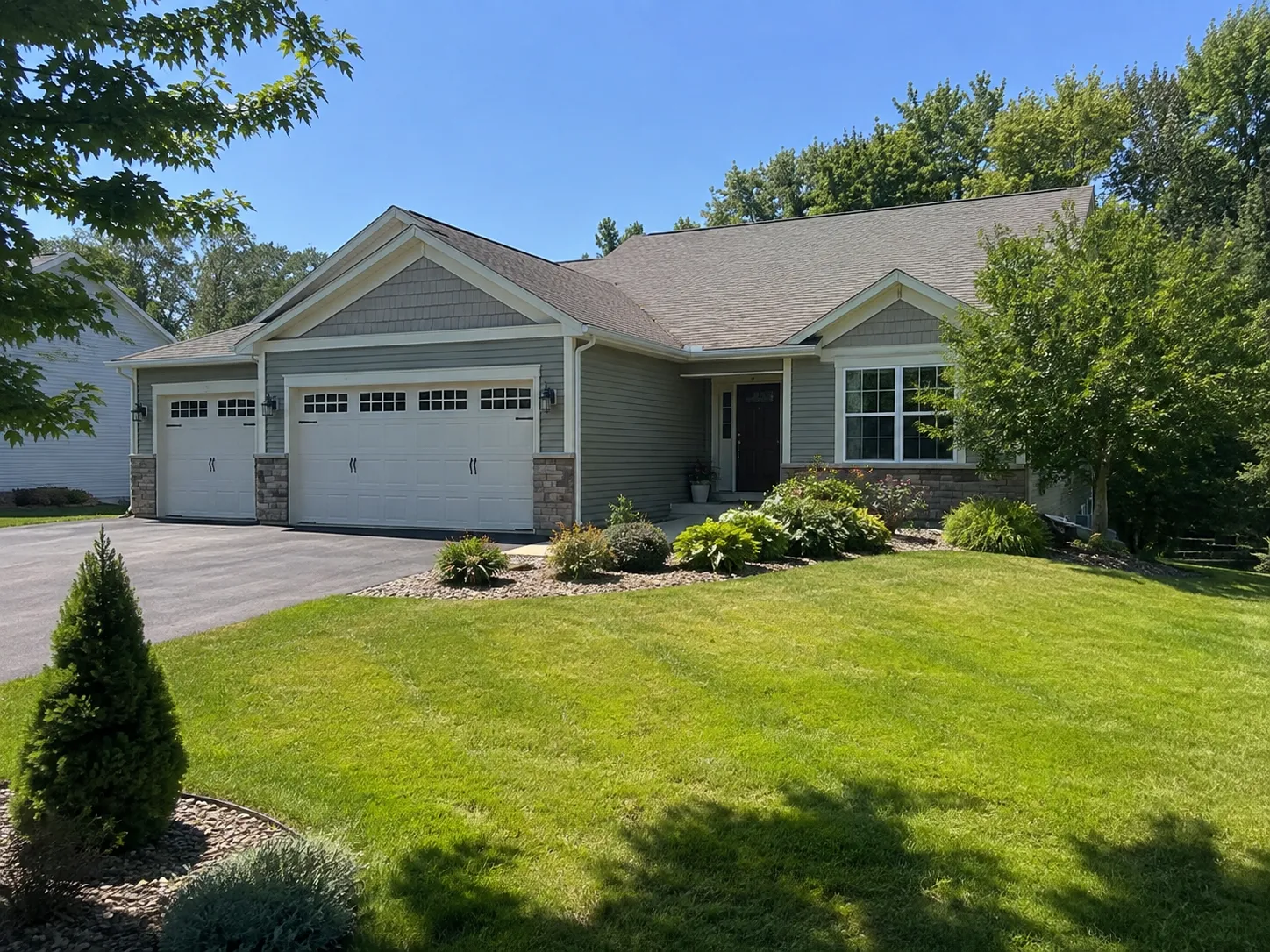
Sell Your House Fast in Lakeville Without Preparing It for the Retail Market
Homeowners comparing ways to sell in Lakeville are often deciding between two very different processes. A traditional listing can be a good fit for an updated house when there is time for repairs, cleaning, photography, showings, inspections, appraisal, and buyer financing. A direct cash sale removes many of those steps and lets the current condition of the property become part of the offer instead of a list of projects the seller has to finish first.
At Minnesota Home Guys, we buy houses directly in Lakeville. You can ask what we would pay before replacing flooring, updating an older kitchen, clearing out years of belongings, repairing exterior problems, or waiting for a tenant to move. That gives you a real number to compare with the cost and possible return of preparing the property for the open market.
Searching for ways to sell my house fast in Lakeville, MN does not always mean the fastest possible date is the only priority. The better comparison includes expected net proceeds, repair costs, commissions, carrying expenses, access for showings, title work, occupancy, and how much time you want to spend managing the sale. Our cash home buyers can explain our purchase terms so you can decide whether a direct sale or a traditional listing better fits the property.
Lakeville Housing Varies by Property Type and Age
Lakeville covers a large geographic area and includes more than one kind of residential property. City planning documents describe single-family homes as the predominant housing type while also recognizing townhomes, twinhomes, multifamily housing, manufactured housing, and newer alternatives aimed at different stages of homeownership. That variety matters because the right comparable sales for one Lakeville property may not be useful for another.
Newer subdivisions can still contain houses that need meaningful work after years of ownership. Roofing, siding, decks, flooring, appliances, windows, mechanical systems, landscaping, and interior finishes all age on different schedules. Older homes may have updates completed in stages, which can leave a mixture of newer systems and dated rooms within the same property.
Townhomes and other association-governed properties add another layer to the sale. Dues, resale documents, association balances, restrictions, and special assessments may need to be reviewed before closing. Detached homes have different maintenance responsibilities and can carry larger exterior repair needs that affect what a buyer expects to spend after purchase.
Each Lakeville address is evaluated on its own instead of being placed into one citywide formula. Property type, condition, comparable sales, current market activity, repairs, occupancy, and title information all help determine the amount we can offer.
We Buy Houses in Lakeville in Their Current Condition
An as-is sale lets you request an offer without deciding first which projects are worth completing. That can be useful for a house with significant maintenance, a rental with tenants, or an inherited property where family members are still sorting belongings and ownership paperwork.
Repair-Heavy Properties
Major repairs do not have to be completed before we evaluate the house. Roof problems, worn flooring, water damage, older mechanical systems, dated kitchens, damaged finishes, exterior maintenance, and unfinished projects can all be considered in the property’s present condition.
Before hiring contractors, you can compare the expected renovation budget with our as-is offer. That makes it easier to decide whether completing the work is likely to improve your final result enough to justify the time and expense.
Rental and Tenant-Occupied Homes
A landlord may decide to sell a rental home because of upcoming repairs, management demands, changing investment plans, or a property that no longer produces the return expected. We buy houses with tenants still in place, so vacancy is not automatically required before requesting an offer.
In a normal Minnesota sale, an existing lease transfers to the new owner, who becomes the landlord unless the parties legally change the arrangement. Lease terms, deposits, notices, and tenant rights should be reviewed carefully while we handle our responsibilities as the buyer.
Inherited and Probate Homes
Families trying to sell an inherited home may need to sort personal property, identify who has authority to sign, review how title was held, and determine whether probate is required. We can inspect the Lakeville property before a full cleanout or renovation is completed.
Someone who needs to sell a probate home should confirm that the appropriate personal representative has court authority when probate applies. Joint tenancy with right of survivorship and trust ownership can affect whether real estate becomes a probate asset.
A Recent Lakeville Project on Woodhill Boulevard
We Purchased the Home Before the Renovation
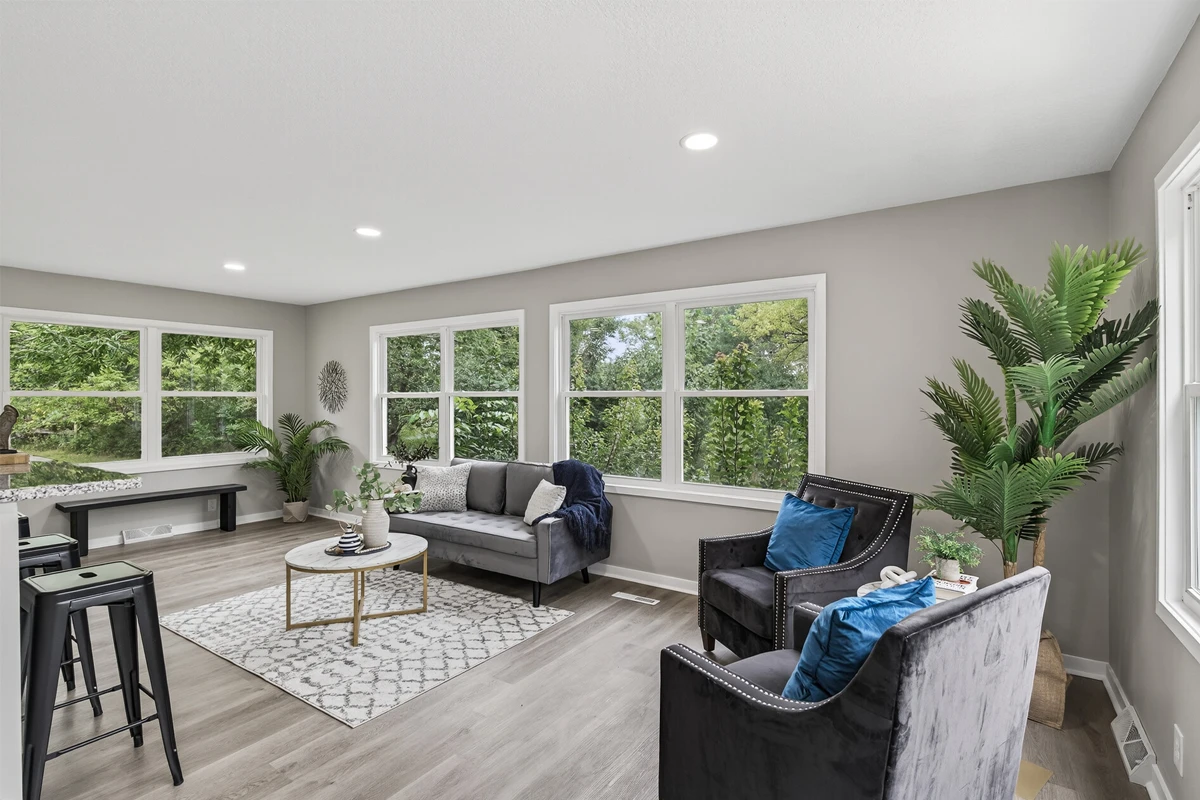
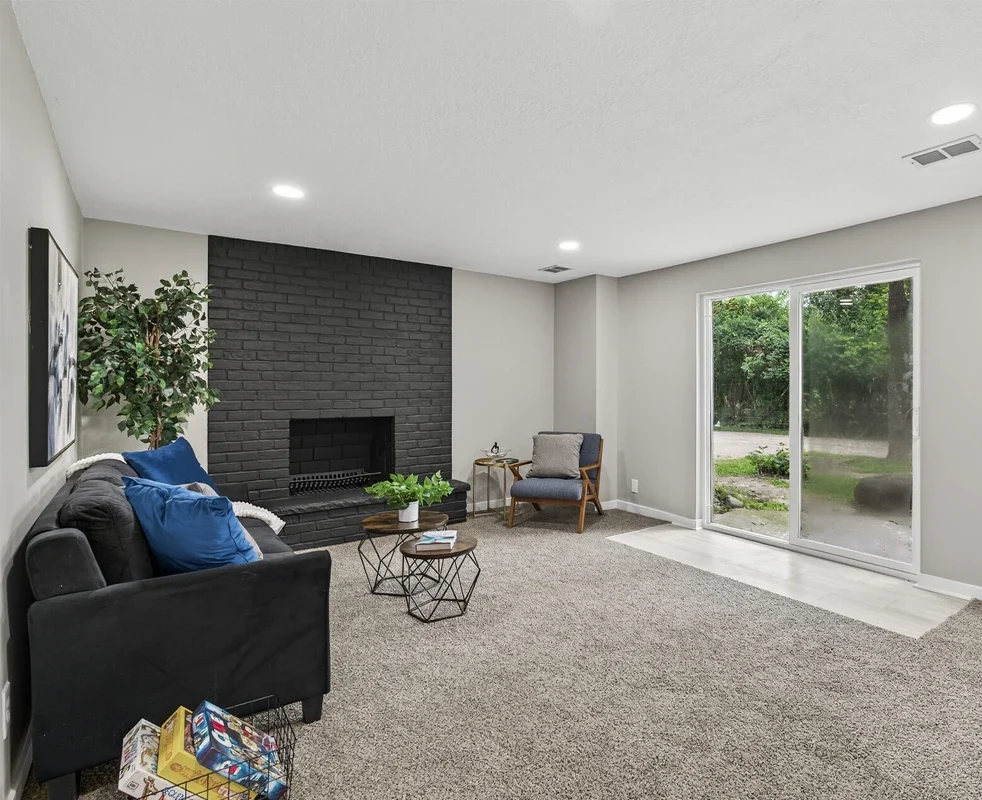
We recently purchased a house on Woodhill Boulevard in Lakeville for cash. The sellers wanted to avoid repairing the property and preparing it for a conventional market sale, so the renovation work became our responsibility after the purchase.
The property did not need to look like a finished retail listing before we bought it. We evaluated the house in the condition it was in, agreed on the purchase terms, and completed the improvements after ownership transferred.
This example is useful for owners who are deciding whether to renovate before selling. A direct offer can be compared with contractor estimates and the possible retail value after repairs before you commit money to the project.
The Seller Did Not Have to Manage the Remodel
Once we purchased the Woodhill Boulevard property, the work required to update it was ours to coordinate. The prior owners did not need to schedule the renovation for our benefit, supervise contractors, keep the house available for retail showings, or wait for the finished project before their sale could be completed.
A similar approach can work for a Lakeville house that needs cosmetic updates or a much larger repair scope. The exact offer changes with the condition of the property, but the seller can find out what we would pay before taking on the improvement work.
The goal of preserving this project on the Lakeville page is to show an actual local example of what an as-is purchase can involve. It is not a promise that every property will need the same work or receive the same offer.
Special Assessments and City Utilities Can Affect the Closing Checklist
Check for Pending or Levied Special Assessments
Lakeville provides an eProperty lookup for special assessments that are pending or already levied against a property. A levied assessment can be certified to Dakota County and collected with property taxes, so an owner who knows about a street, utility, or other city assessment should raise it early in the transaction.
The existence of an assessment does not automatically prevent a sale. The title and closing professionals can determine the balance, what has been certified, and how the amount should be handled on the settlement figures. Giving them the information early reduces the chance that a known assessment appears late in the closing process.
Discontinue City Utility Billing When You Sell
The City of Lakeville provides a discontinue-service form for homeowners who are selling and need to stop receiving bills for city-provided utilities such as water and sewer. This is separate from the purchase contract, but it belongs on the seller’s move-out checklist so utility billing ends correctly after the transfer.
Title Work Still Applies to a Cash Sale
Our cash purchase does not require mortgage approval on our side, but ownership records still need to be reviewed. Existing mortgages, judgments, contractor liens, unpaid taxes, estate ownership, divorce-related ownership, and other title matters can require payoff information or additional documentation before the property can transfer.
Listing a Lakeville Home Versus Selling Directly for Cash
A retail list price and the amount the seller receives after expenses are different numbers. A useful comparison includes the expected selling price, repair budget, commissions, seller-paid costs, mortgage payments, taxes, insurance, utilities, maintenance, and the time the property may remain in the seller’s name.
When a Traditional Listing May Make More Sense
An updated Lakeville home can be well suited for the open market when the owner has enough time to prepare it and wants exposure to retail buyers. Photography, showings, inspection negotiations, appraisal, and financing are normal parts of that route.
Repair decisions should be based on likely return rather than the assumption that every improvement adds more value than it costs. A local real estate agent can help estimate the likely retail range, market preparation, commissions, and how competing homes are being presented.
The accepted purchase agreement also matters. Financing, inspection, appraisal, home-sale, or other buyer-dependent conditions can affect whether the transaction reaches closing on the original schedule.
When Cash Home Buyers May Make More Sense
A direct purchase can be useful when repair work, tenant occupancy, inherited ownership, a large cleanout, title problems, relocation, or a shorter timeline makes retail preparation less attractive. We buy the house ourselves instead of waiting for another buyer to obtain financing.
There are no agent commissions on our direct purchase. We cover the abstract update, title opinion, transfer tax, and closing costs, while property taxes through the sale date and existing liens remain the seller’s responsibility.
Our offer may be lower than the possible retail price because we consider the current condition and the work we expect to complete after purchase. Compare the likely net result and the work required under both options before choosing how to sell.
Selling Situations That Can Change the Timeline
Trying to Stop Foreclosure With a Sale
A homeowner trying to stop foreclosure should first identify the current stage of the process, the mortgage payoff, any other liens, the scheduled sale date if one exists, and how much time remains to complete another option. Minnesota foreclosure can move through default, sheriff’s sale, and a redemption period, so timing matters.
Selling may be possible before the sheriff’s sale or during a redemption period when there is enough time and equity to complete the transaction. Contact the mortgage servicer promptly and use qualified legal or housing counseling resources for foreclosure-specific advice. We can provide a cash purchase offer, but we do not control lender deadlines or determine what the servicer must accept. Our Minnesota foreclosure selling information covers this option in more detail.
Deciding to Sell a Rental Property
Rental owners often review the whole investment rather than only the current property value. Lease terms, rent, taxes, insurance, repairs, turnover, management time, and upcoming capital expenses can all affect whether keeping the property still makes financial sense.
We can buy a tenant-occupied Lakeville rental without requiring the lease to end first. The existing tenancy still needs to be handled according to Minnesota law, including the transfer of the lease to the new owner in an ordinary sale. Our rental property selling information explains additional considerations for occupied homes.
Selling an Inherited or Probate Property
Inherited ownership can require more documentation than an ordinary owner-occupied sale. The title may transfer outside probate in some cases, while other estates require a court-authorized personal representative. Being named as personal representative in a will does not by itself provide authority to act until the court issues the required Letters.
After authority is established, we can purchase the property without requiring the family to renovate it or empty every room first. Review our inherited home selling information and use an estate attorney or Minnesota court resources for questions about probate procedure, beneficiaries, or authority to sell.
Selling a House During Divorce
A home can be one of the largest assets addressed in a Minnesota divorce. Owners planning to sell a house during divorce should understand who can sign, how the property is titled, and whether a temporary order, settlement, or final decree affects what can happen with the house or the sale proceeds.
Our role is limited to making an offer and buying the property when the owners have authority to sell. We do not decide how equity should be divided or what either spouse is legally required to do. Minnesota Courts strongly encourages anyone with a real estate interest in a divorce to talk with an attorney before signing paperwork related to division of that property.
How We Determine a Cash Offer for a Lakeville Property
The address gives us the location, but the offer depends on more than the city name. We consider the property type, current condition, relevant comparable sales, market activity, repair scope, occupancy, and other details that affect what the house is likely to require after we buy it.
A detached home with substantial exterior maintenance should not automatically be compared with a newer townhome. A rental with an active lease has different considerations from a vacant property. An inherited house with dated interiors and years of belongings may require a different repair and cleanout budget from a move-in-ready owner-occupied home.
Seeing the property in its actual condition helps us estimate the work more accurately. You do not need to repair known defects for our benefit, but sharing what you know about roofing, water problems, mechanical systems, association issues, tenants, title concerns, or major unfinished projects helps us evaluate the house with fewer assumptions.
After receiving the offer, compare it with a realistic traditional-sale estimate rather than only a possible list price. Our frequently asked questions provide additional information about property types, fees, title work, cleanout, and closing.
How Our Lakeville Home-Buying Process Works
Requesting an offer does not commit you to sell. We first collect property information, then review the house and present the purchase terms. Title and closing work begins after an offer is accepted. More detail is available on our home-buying process page.
Share the Property Details
Tell us the Lakeville address, property type, condition, occupancy, and known repair or title issues. Photos or documents can be useful, but you do not need to renovate or clean the house before starting.
Call (952) 222-7138 or send the property information through our online form.
Review the Offer and Terms
We evaluate the house and present a direct cash offer. Ask about the price, belongings, repairs, occupancy, closing timing, or another part of the agreement before deciding whether to accept it.
You can compare our offer with listing, repairing, keeping the property, or any other option available to you. There is no obligation to sell to us simply because you requested a number.
Complete Title Work and Closing
Once an offer is accepted, the abstract update, title opinion, payoff information, taxes, liens, ownership records, and other closing documents are addressed with the professionals handling the transaction.
Closing is typically around two to four weeks after the offer is signed, although a faster date may be possible when the title and property are ready. A later closing can also be arranged when you need additional time.
Request a Cash Offer for Your Lakeville Home
You can find out what we would pay before committing to repairs, a retail listing, a tenant move-out, or an estate cleanout. Give us the property details as they exist today so the offer reflects the house we would actually be purchasing.
Minnesota Home Guys buys single-family homes, townhomes, duplexes, multi-family properties, tenant-occupied rentals, inherited houses, and vacant land. If the Lakeville property has repair needs, an association, tenants, a special assessment, or a title concern, include that information during the review.
Ready for us to evaluate the property? Call (952) 222-7138 or submit the address through our online form.
Frequently Asked Questions
Yes. We can evaluate a Lakeville house without requiring repairs first. Roofing problems, water damage, worn interiors, older mechanical systems, dated finishes, exterior maintenance, and unfinished renovations can all be considered in the current condition of the property.
Requesting an as-is offer before hiring contractors gives you another number to compare with the expected renovation budget and a possible retail sale. That can help determine whether completing the work is likely to improve your net proceeds enough to justify the project.
Cleaning and staging are not required for our purchase either. Take the belongings you want to keep and tell us what you expect to leave behind so the condition and cleanout expectations are understood before closing.
Yes. We buy tenant-occupied rental properties, so a landlord can request an offer before the current lease ends. Share the lease status, occupancy, deposits, property condition, and any known maintenance issues when we review the house.
Under Minnesota law, an existing lease generally transfers to the buyer in an ordinary sale, and the new owner becomes the landlord unless the parties legally agree to a change. That means selling the property does not automatically erase the tenant’s lease rights or the landlord’s existing obligations.
We handle our responsibilities as the buyer, while lease notices, deposit questions, disputes, or other landlord-tenant legal issues should be reviewed with a Minnesota attorney or another qualified resource.
Yes, once the person signing the sale documents has the authority required to transfer the property. We can inspect an inherited Lakeville house before repairs or a complete cleanout, which allows the family to compare a direct cash offer with renovating and listing the home.
Probate is not required for every inherited property. Joint tenancy with right of survivorship, trust ownership, and other title arrangements can change how the property transfers after a death. When probate is required, a person named as personal representative in a will does not have court authority to act until the appropriate Letters are issued.
We coordinate our side of the purchase with the title and estate professionals involved. Questions about probate procedure, beneficiaries, estate obligations, or legal authority to sell should be handled by an estate attorney or Minnesota court resources.
A sale may be one option for a homeowner facing foreclosure when there is enough time to complete the transaction and enough value in the property to satisfy the amounts that must be paid. The available options depend on the mortgage, other liens, foreclosure stage, and important dates in the process.
Minnesota foreclosure can involve default, a sheriff’s sale, and a redemption period. The Minnesota Attorney General advises homeowners to contact the lender promptly and notes that selling may be an option in some cases, including during the redemption period when circumstances allow it.
We can provide a cash purchase offer and coordinate our side of a sale, but we do not control foreclosure deadlines or act as the mortgage servicer, attorney, or housing counselor. Those professionals should be contacted promptly when foreclosure notices have already been received.
Real estate can be one of the largest assets addressed in a Minnesota divorce, so ownership and authority should be clear before either party signs a purchase agreement. A temporary order, settlement, or final decree may affect what can happen with the property or how sale proceeds are handled.
Our cash offer can give the owners and their attorneys a specific purchase price and set of terms to evaluate without first completing repairs or scheduling public showings. We do not determine how equity should be divided or what either spouse is legally required to do.
Minnesota Courts strongly encourages people with an interest in real estate to talk with an attorney before signing divorce paperwork related to division of that property. That legal review should remain separate from our role as the prospective buyer.
Title defects, payoff problems, liens, estate ownership, divorce-related ownership, association documentation, and special assessments can all add time to a transaction even when the buyer is paying cash. The City of Lakeville also provides an eProperty lookup for pending and levied special assessments that may affect a property.
After a purchase agreement is accepted, the abstract and title work help identify what must be resolved before ownership can transfer. Some items can be handled through normal payoff or closing procedures, while others may require a release, corrected document, court filing, association response, or participation from another party.
Sharing known issues early gives the closing professionals more time to address them. Closing is typically around two to four weeks after the signed offer, but the actual schedule depends on title readiness, the property, and the seller’s preferred timing.